

Small bookkeeping errors can have a big impact on your management rights business.
Avoiding management rights bookkeeping mistakes is essential for maintaining accurate financial records and running a successful business. Between multiple income streams, trust accounts, maintenance work, owner payments and BAS obligations, bookkeeping can quickly become complex if the right systems aren’t in place.
The good news is that most bookkeeping issues are preventable. By maintaining accurate financial records and reviewing your accounts regularly, you can improve cash flow, reduce unnecessary stress and make more informed business decisions.
1. Falling Behind on Your Bookkeeping
It’s easy to put bookkeeping aside during busy periods, especially when you’re managing guests, owners, maintenance requests and day-to-day operations.
Unfortunately, delaying bookkeeping often creates more work later and increases the likelihood of errors.
- Monitor your cash flow
- Identify overdue payments
- Track business performance
- Prepare BAS and financial reports more efficiently
Even setting aside a regular time each week to update your records can make a significant difference.
2. Mixing Personal and Business Expenses
Using the same account for personal and business purchases is one of the quickest ways to create confusion.
Not only does this make bookkeeping more time-consuming, but it can also complicate tax reporting and reduce the accuracy of your financial statements.
Maintaining separate bank accounts and business credit cards helps keep your records clear and organised throughout the year.
3. Incorrectly Recording Different Income Streams
Management rights businesses often receive income from a variety of sources, including:
- Letting commissions
- Management fees
- Maintenance services
- Cleaning income
- Contractor reimbursements
- Other miscellaneous charges
Recording these under incorrect account categories can make your financial reports less meaningful and make it difficult to understand how different areas of your business are performing.
A well-structured chart of accounts provides much clearer reporting and better financial insights.
4. Forgetting to Reconcile Your Bank Accounts
Bank reconciliations are one of the simplest yet most important bookkeeping tasks.
Regular reconciliations help identify:
- Duplicate transactions
- Missing deposits
- Unpresented payments
- Bank errors
- Data entry mistakes
Reconciling your accounts each month helps ensure your bookkeeping remains accurate and your reports can be relied upon.
5. Poor Record Keeping
Receipts, supplier invoices and supporting documentation are essential for accurate bookkeeping.
Without proper records, preparing your BAS, responding to queries or locating historical transactions becomes far more difficult.
Cloud accounting software makes it easy to securely store documents alongside each transaction, reducing paperwork and improving efficiency.
6. Leaving BAS Preparation Until the Last Minute
Waiting until BAS is due often creates unnecessary pressure.
When your bookkeeping is current throughout the quarter, BAS preparation becomes much simpler and there’s more time to identify and correct any issues before lodging.
Keeping your records updated also provides greater confidence that GST has been recorded correctly. For more information about GST obligations and Business Activity Statements, visit the Australian Taxation Office (ATO).
7. Only Looking at the Numbers at Tax Time
Many business owners don’t review their financial reports until the end of the financial year.
However, your bookkeeping should be much more than a compliance exercise.
- Understand profitability
- Monitor cash flow
- Identify rising expenses
- Make informed business decisions
- Plan ahead with greater confidence
Good bookkeeping provides valuable information that can help improve the long-term performance of your management rights business.
How Resort Accounts Can Help
Bookkeeping for management rights businesses requires an understanding of the industry’s unique financial requirements. Accurate record keeping not only supports compliance but also provides the financial information needed to make confident business decisions.
At Resort Accounts, our experienced team works exclusively with management rights businesses, providing bookkeeping and accounting services tailored to the needs of the industry. Whether you need ongoing bookkeeping support, BAS preparation or financial reporting, we’re here to help keep your business running smoothly.
Need Help Keeping Your Bookkeeping on Track?
If you’d like to spend less time managing the books and more time running your management rights business, contact the team at Resort Accounts.
We’ll help ensure your bookkeeping is accurate, up to date and working for your business—not against it.
Disclaimer: This article contains general information only. Regrettably, no responsibility can be accepted for errors, omissions or possible misleading statements or for any action taken as a result of any material in this guide. It is not designed to be a substitute for professional advice, as such a brief guide cannot hope to cover all circumstances and conditions applying to the law as it relates to these items.

Resort Accounts & Consulting Industry News
Explore our Industry News section for updates and insights relevant to the management rights and resort accommodation industry. We share practical guidance on bookkeeping, trust accounting and financial management, along with commentary on developments that may impact operators across Australia. Our goal is to help management rights businesses stay informed and maintain strong financial processes. For official taxation guidance and legislative information, please refer to the Australian Taxation Office.

Discover the most common management rights bookkeeping mistakes and learn how accurate financial records can improve cash flow, reporting and compliance.
Discover the most common management rights bookkeeping mistakes and learn how accurate financial records can improve cash flow, reporting and compliance.
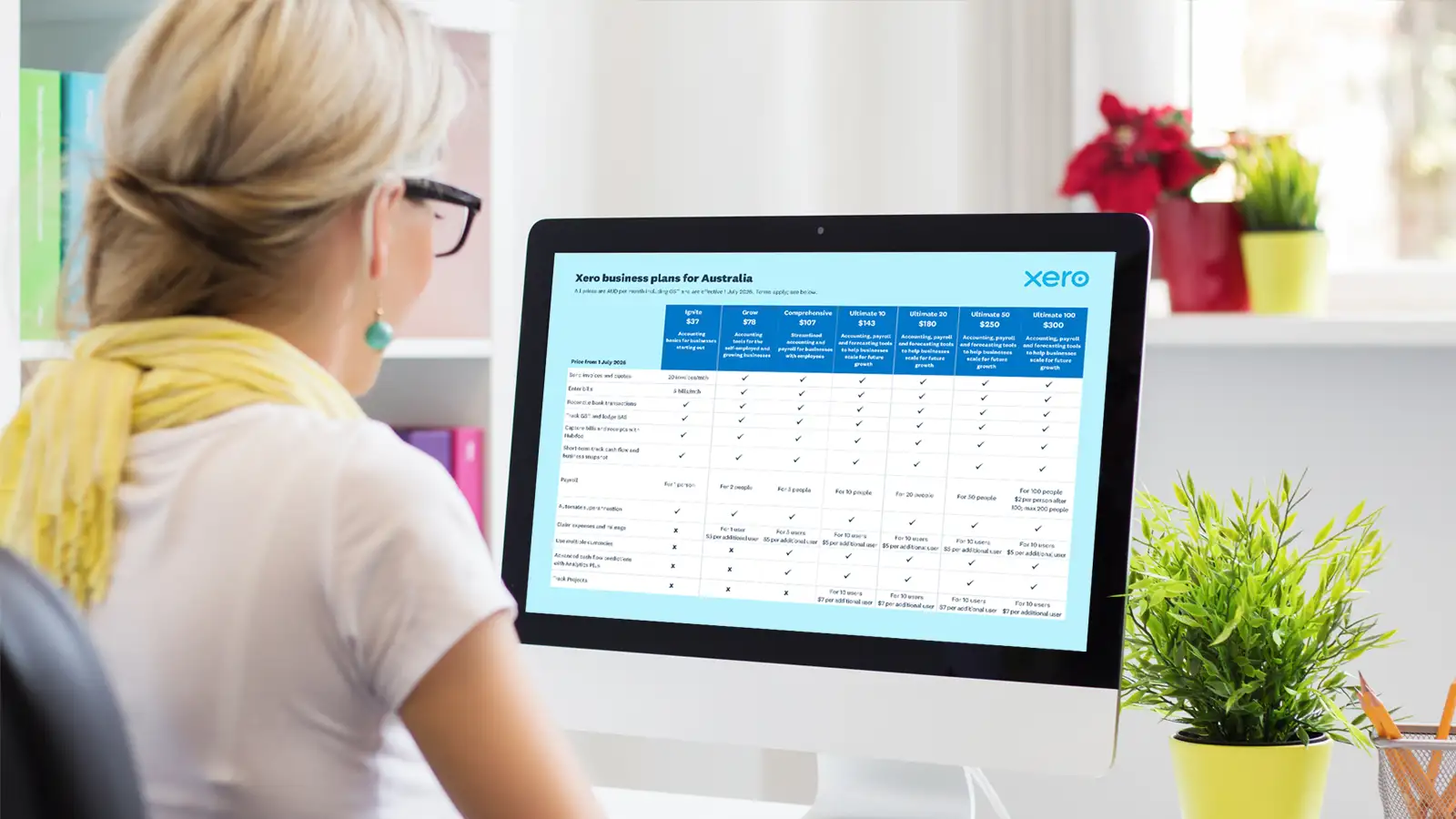
Xero has announced updated subscription pricing for Australian businesses effective from 1 July 2026. Review the latest Xero plan changes, included features and what the updates may mean for your business bookkeeping and accounting systems.
Xero has announced updated subscription pricing for Australian businesses effective from 1 July 2026. Review the latest Xero plan changes, included features and what the updates may mean for your business bookkeeping and accounting systems.

From 1 July 2026, employers must pay superannuation at the same time as wages under the new Payday Super rules. Learn what the changes mean and how to prepare your business.
From 1 July 2026, employers must pay superannuation at the same time as wages under the new Payday Super rules. Learn what the changes mean and how to prepare your business.

Changes to super rules mean employers may need to request stapled super fund details from the ATO when new employees do not nominate a super fund.
Changes to super rules mean employers may need to request stapled super fund details from the ATO when new employees do not nominate a super fund.

Details on the 2021 Queensland COVID-19 Business Support Grants and how eligible businesses could apply for financial assistance.
Details on the 2021 Queensland COVID-19 Business Support Grants and how eligible businesses could apply for financial assistance.

Overview of COVID business support grants and financial assistance available to businesses affected by lockdowns across Australia.
Overview of COVID business support grants and financial assistance available to businesses affected by lockdowns across Australia.

Important information for employers about paying employee super contributions before the quarterly deadline.
Important information for employers about paying employee super contributions before the quarterly deadline.

Employers must complete STP finalisation with the ATO each year. Ensure payroll, super and PAYG records are reconciled before submitting.
Employers must complete STP finalisation with the ATO each year. Ensure payroll, super and PAYG records are reconciled before submitting.

Overview of government energy grants available to help hotels improve energy efficiency and reduce operating costs.
Overview of government energy grants available to help hotels improve energy efficiency and reduce operating costs.
